V
VYAVASTHIT
TM
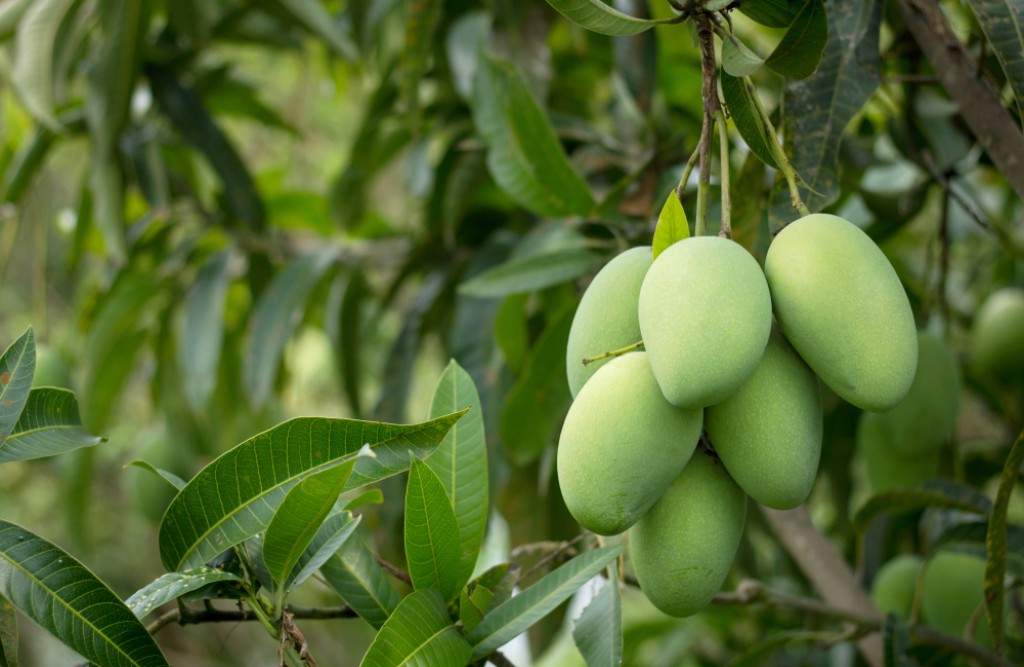
Mango is called the "King of Fruits" in India. Using vermicompost in mango orchards improves soil fertility, enhances tree health, and produces sweeter, larger, and more marketable fruits.
| Stage | Timeframe | Key Practices |
|---|---|---|
| Planting | July–August (Monsoon) | Plant grafted mango seedlings; mix vermicompost in pits |
| Vegetative Growth | First 3 years | Regular watering, mulching, and vermicompost twice a year |
| Flowering | January–February | Apply vermicompost to support flowering and fruit set |
| Harvest | April–June | Pick fruits at maturity stage; avoid over-ripening on tree |
Q: Can vermicompost replace chemical fertilizers in mango farming?
A: Yes, vermicompost supplies essential nutrients and improves soil health, no need to add chemical fertilizers.
Q: How often should I apply vermicompost in mango orchards?
A: At least twice a year – before monsoon and after harvest.
Q: Will it improve fruit quality?
A: Absolutely. Fruits become sweeter, bigger, and have better shelf life.
Get nutrient-rich vermicompost for your mango orchards. Ensure healthy trees and high-quality fruits.
Order on WhatsApp